
Easy Miso Soup Recipe- Quick & Delicious Authentic Flavor
Miso soup recipe. It’s more than just a starter; it’s a warm hug in a bowl, a comforting embrace that awakens the senses and soothes the soul. There’s a reason why this humble Japanese staple has captured hearts worldwide. Its simplicity belies a profound depth of flavor, a delicate balance of savory, umami-rich goodness that’s both nourishing and incredibly satisfying.
Why do we love it so much?
Perhaps it’s the non-intoxicating aroma that fills the kitchen as it simmers, or the way the silken tofu and springy seaweed melt in your mouth. Or maybe, it’s the inherent versatility of a truly great miso soup recipe. It’s a canvas, ready to be adorned with whatever delights you have on hand – from delicate mushrooms to hearty chunks of root vegetables. This isn’t just a recipe; it’s an invitation to experience a moment of pure, unadulterated deliciousness. We’re going to dive into making a truly special miso soup, one that will become a cherished part of your culinary repertoire.
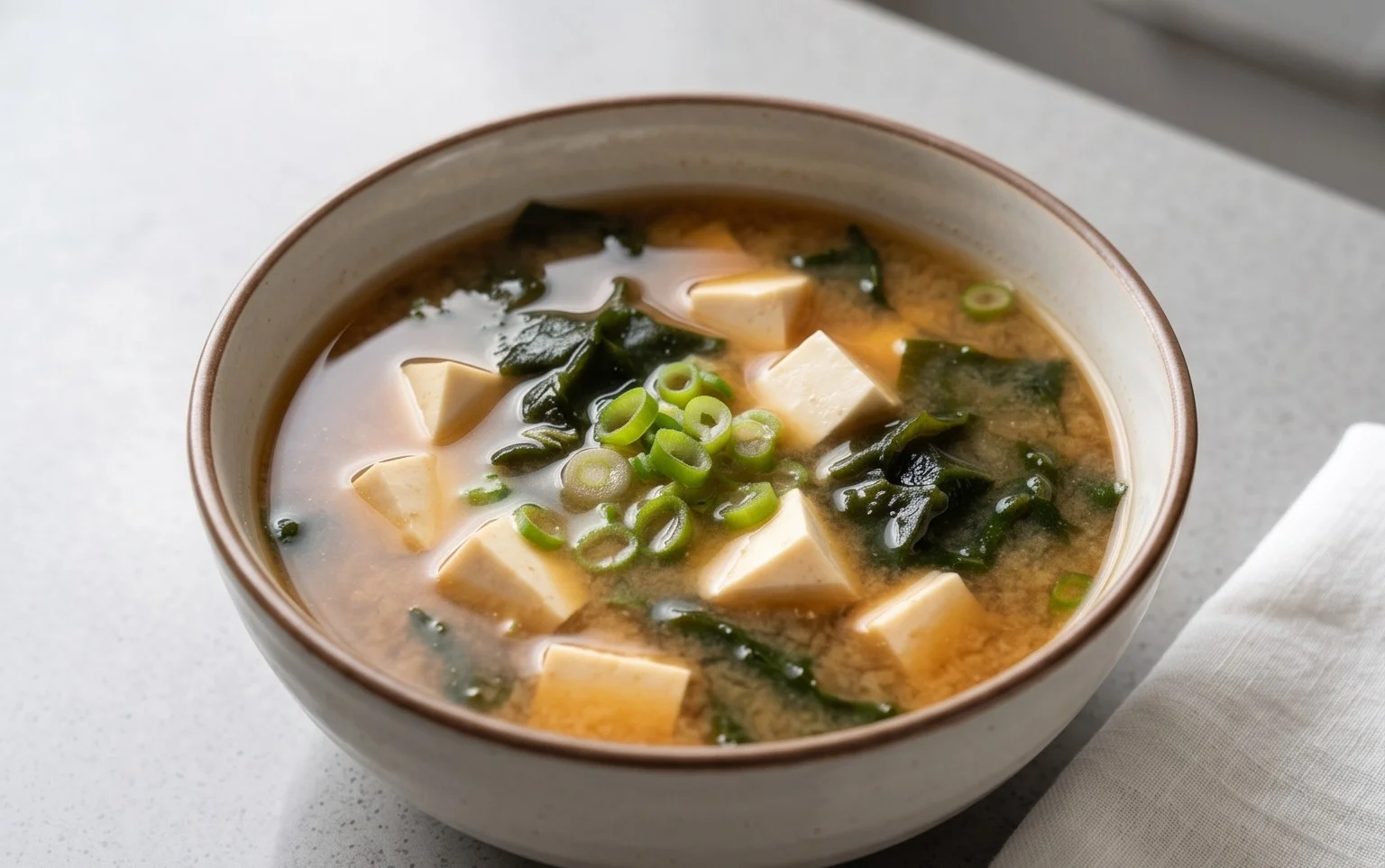
Miso Soup Recipe
Miso soup is a comforting, umami-rich staple of Japanese cuisine, incredibly versatile and surprisingly simple to make at home. It’s more than just a side dish; it’s a warm embrace in a bowl, perfect for starting a meal or enjoying as a light lunch. The beauty of miso soup lies in its adaptability. While this recipe provides a classic foundation, you can easily add other ingredients like mushrooms, spinach, or even clams to make it your own. Let’s dive into creating this delightful and nourishing soup.
Ingredients:
Cooking Instructions
The process of making miso soup is incredibly straightforward, focusing on building delicate flavors without overcooking the star ingredient: the miso. We’ll begin extract by preparing our dashi, the flavorful broth that forms the soul of this soup.
Step 1: Preparing the Dashi Broth
If you’re using instant dashi granules, simply follow the package instructions to create 2½ cups of broth. For those seeking a more authentic flavor, you can make dashi from scratch using kombu (kelp) and katsuobushi (bonito flakes). To do this, steep a 4-inch piece of kombu in 3 cups of cold water for at least 30 minutes, or even overnight in the refrigerator for a deeper flavor. Then, gently heat the water with the kombu over medium-low heat until it just begin extracts to simmer. Remove the kombu just before the water boils to prevent it from becoming bitter. Add about ½ cup of katsuobushi to the warm water and let it steep for a minute or two until the flakes sink to the bottom. Strain the broth through a fine-mesh sieve lined with cheesecloth or a paper towel to obtain a clear, flavorful dashi. You’ll want to aim for about 2½ cups of dashi for this recipe.
Step 2: Rehydrating the Dried Seaweed
While your dashi is simmering or if you’re using pre-made dashi, it’s time to prepare the dried seaweed. Many types of dried seaweed are used in miso soup, with wakame being a popular choice due to its delicate flavor and tender texture when rehydrated. Place the heaping tablespoon of dried seaweed in a small bowl and cover it with warm water. Let it sit for about 5-10 minutes, or until it has softened and expanded significantly. Once rehydrated, drain the excess water. You might notice the seaweed has expanded quite a bit; this is normal. Give it a gentle squeeze to remove any remaining water. If the pieces are very large, you can chop them into smaller, bite-sized pieces. This step is crucial for achieving the right texture in your soup.
Step 3: Gently Warming the Tofu
The silken tofu adds a wonderful creamy texture to the miso soup. We want to warm it through without breaking it apart too much. Once you have your silken tofu, carefully cut it into small, bite-sized cubes. These pieces should be small enough to easily fit on a spoon. Place these tofu pieces into the pot with your prepared dashi broth. We are not going to boil the soup vigorously from this point onward, as boiling can diminish the delicate flavors of miso and tofu. We are simply looking to warm the tofu gently in the dashi.
Step 4: Infusing the Miso Paste
This is perhaps the most critical step in miso soup preparation, and it’s where many home cooks make a mistake. Miso paste is a fermented product, and boiling it will destroy its beneficial probiotics and nuanced flavor. Therefore, we will add the miso paste off the heat or at a very low simmer. Once the dashi and tofu are warm, remove the pot from the direct heat or reduce the heat to the absolute lowest setting. In a separate small bowl, scoop out your miso paste. Ladle about ½ cup of the warm dashi broth into the bowl with the miso paste. Whisk the miso and dashi together until you have a smooth, homogenous paste. This process, called “tempering,” ensures the miso dissolves evenly into the soup without clumping. You can adjust the amount of miso paste here to your preference – start with 2 tablespoons and add more if you desire a stronger flavor.
Step 5: Combining and Finishing the Soup
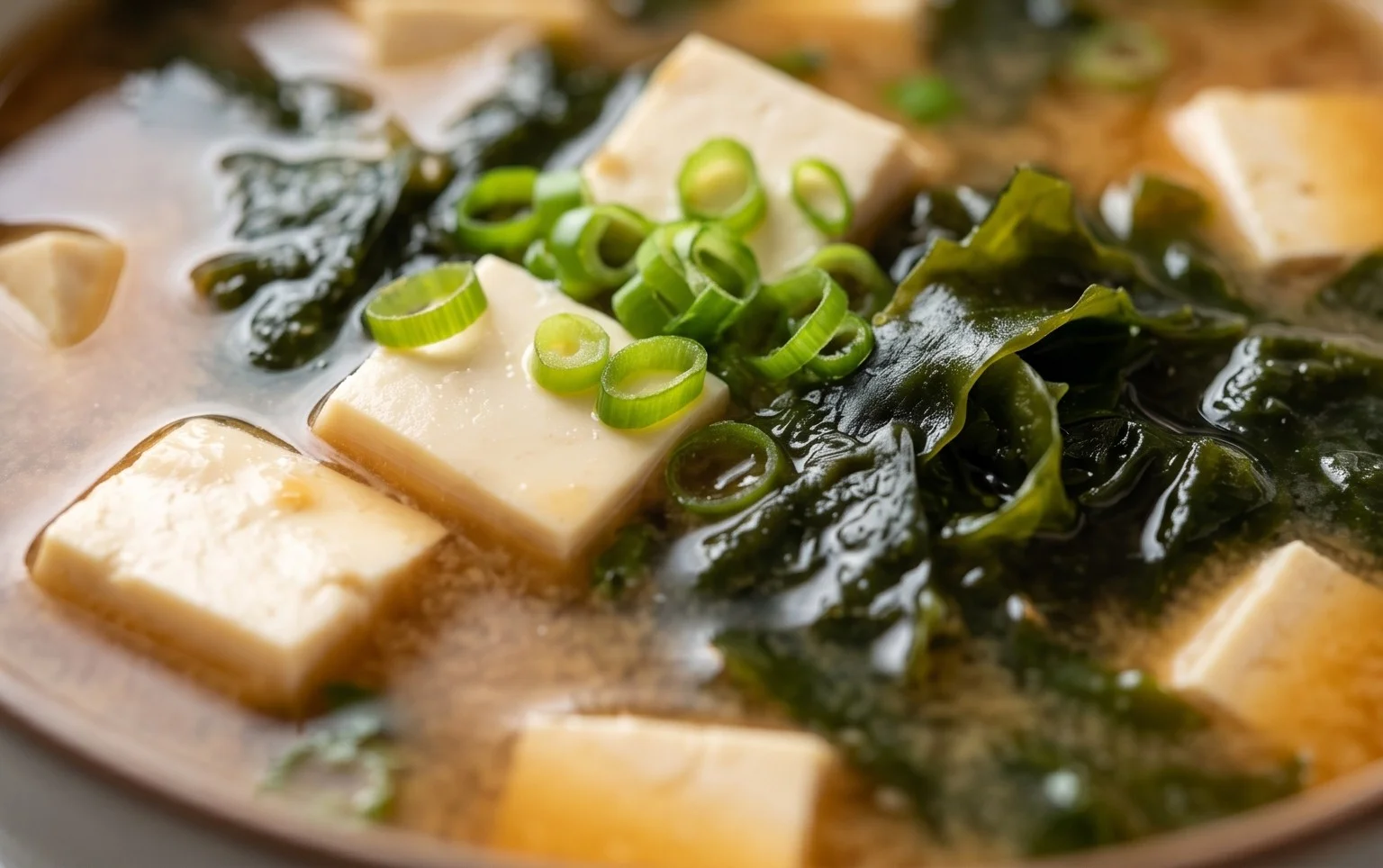
Now it’s time to bring everything together. Gently pour the tempered miso mixture back into the pot with the rest of the dashi and tofu. Stir gently to combine. At this stage, the soup should be warm but not boiling. Allow it to sit for a minute or two for the flavors to meld. Add the rehydrated seaweed to the pot. Stir gently once more. Ladle the hot miso soup into individual serving bowls. Garnish each bowl with the chopped scallions. The fresh green of the scallions adds a lovely visual appeal and a hint of fresh, oniony flavor that complements the rich miso beautifully. Serve immediately and enjoy the comforting warmth and savory depth of your homemade miso soup. This simple yet profound soup is a testament to the elegance of Japanese cooking.
Conclusion:
And there you have it! Crafting this delicious and comforting Miso Soup Recipe at home is incredibly rewarding and surprisingly simple. This recipe is fantastic because it’s not only deeply flavorful with the umami-rich miso paste but also wonderfully adaptable. It’s the perfect starter for any meal, a light lunch on its own, or even a soothing bedtime drink. Feel free to serve it steaming hot in traditional bowls, perhaps garnished with a sprinkle of fresh chives or a drizzle of sesame oil for an extra layer of aroma and taste. Don’t shy away from experimenting with different additions like silken tofu for added protein, shiitake mushrooms for earthiness, or even some spinach for extra greens. I truly encourage you to give this wonderfully wholesome miso soup a try. You’ll be amazed at how quickly it becomes a staple in your kitchen!
Frequently Asked Questions:
What kind of miso paste should I use for this recipe?
You can use red, white, or awase (mixed) miso paste. Red miso offers a bolder, more robust flavor, while white miso is sweeter and milder. Awase combines the best of both. Experiment to find your favorite!
Can I make miso soup ahead of time?
While the broth can be made ahead, it’s best to add the miso paste just before serving. Miso contains beneficial live cultures that can be destroyed by prolonged heating, and the flavor is also freshest when added at the end.
Miso Soup Recipe
A simple and classic Japanese miso soup, perfect for a quick and nourishing meal.
Ingredients
-
2½ cups Dashi
-
1 heaping tablespoon dried seaweed
-
4 oz silken tofu (cut into small pieces)
-
2-2½ tablespoons miso paste (or to taste)
-
1 tablespoon scallion (chopped)
-
1 teaspoon soy sauce
-
½ teaspoon rice vinegar
Instructions
-
Step 1
In a medium saucepan, bring the Dashi to a gentle simmer over medium heat. -
Step 2
Add the dried seaweed to the simmering Dashi and let it rehydrate for about 2-3 minutes. -
Step 3
Gently add the silken tofu pieces to the saucepan. -
Step 4
In a small bowl, whisk the miso paste with a ladleful of the hot Dashi until smooth. This prevents clumps. -
Step 5
Stir the dissolved miso paste mixture back into the saucepan. Do not boil after adding miso, as it can diminish the flavor and aroma. -
Step 6
Add soy sauce and rice vinegar for enhanced flavor. -
Step 7
Ladle the miso soup into bowls and garnish with chopped scallions before serving.
Important Information
Nutrition Facts (Per Serving)
It is important to consider this information as approximate and not to use it as definitive health advice.
Allergy Information
Please check ingredients for potential allergens and consult a health professional if in doubt.