Easy Chimichurri Sauce Recipe – Fresh Herb Flavor
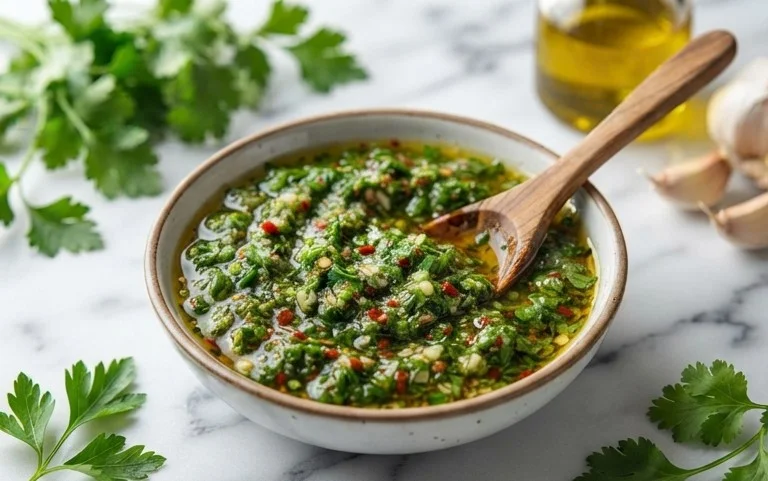
Chimichurri sauce recipe: Get ready to elevate your grilling game to legendary status! If you’ve ever experienced the vibrant, herbaceous explosion of authentic chimichurri, you know exactly why this Argentinian condiment is so adored. It’s more than just a sauce; it’s a flavor revolution. This isn’t your average ketchup or bland salsa. What makes this chimichurri so special is its perfect balance of fresh, zesty herbs, garlic’s pungent punch, and a subtle kick of chili, all brought together by a good quality olive oil and a touch of vinegar. It’s the secret weapon for transforming simple grilled meats, fish, or even roasted vegetables into something truly unforgettable. I can’t wait to share my go-to chimichurri sauce recipe with you, a recipe that’s guaranteed to become a staple in your kitchen.
Chimichurri Sauce Recipe
Ah, chimichurri! If you’re looking to elevate your grilled meats, roasted vegetables, or even just your morning eggs, this vibrant, herbaceous sauce is your secret weapon. Hailing from Argentina and Uruguay, chimichurri is a fresh, zesty condiment that cuts through richness and adds an explosion of flavor to any dish. It’s surprisingly simple to make, requiring no cooking, just a bit of chopping and whisking. Once you try it, you’ll find yourself reaching for it again and again. Let’s dive into how you can create this kitchen staple at home.
Ingredients:
Crafting Your Chimichurri: Step-by-Step
The beauty of chimichurri lies in its freshness, so using the freshest ingredients you can find is key. Don’t be tempted to use dried herbs here; the bright, verdant notes are what make this sauce sing. I prefer flat-leaf parsley for its less bitter flavor compared to curly parsley, and the combination with cilantro and oregano offers a complex herbal profile that’s both savory and slightly peppery.
The process is straightforward and can be done by hand or with a food processor. For a more rustic, textured sauce, chopping by hand is the way to go. If you prefer a smoother consistency, a food processor will do the trick in a flash.
Step 1: Prepare Your Herbs and Aromatics
Begin extract by meticulously washing and drying your fresh herbs. For the parsley, cilantro, and oregano, this means carefully separating the leaves from their stems. Stems can be tough and fibrous, detracting from the silky texture we’re aiming for. Once de-stemmed, give them a gentle pat dry with paper towels or use a salad spinner to remove excess moisture. This step is important to prevent your chimichurri from becoming watery. Next, take your roughly chopped red onion (or shallots if you prefer a milder bite) and the peeled garlic cloves.
Step 2: Chop the Fresh Ingredients
This is where the magic starts to happen. Gather your prepared parsley, cilantro, oregano, red onion, and garlic. If you’re chopping by hand, use a sharp knife and chop everything as finely as you can. Aim for a confetti-like consistency for the herbs and a very fine mince for the onion and garlic. The finer you chop these ingredients, the better they will meld together. If you’re using a food processor, add the herbs, onion, and garlic to the bowl. Pulse until finely chopped. Be careful not to over-process, which can turn your herbs into a paste. You want distinct pieces for that delightful texture. Once chopped, transfer these finely minced ingredients to a medium-sized bowl.
Step 3: Add the Spices and Seasoning
To the bowl with your chopped herbs and aromatics, add the red pepper flakes. This will provide a subtle warmth that complements the fresh flavors. Then, add the kosher salt. Kosher salt has a larger, flakier crystal structure than table salt, which dissolves more slowly and distributes flavor more evenly. Stir these dry ingredients together with your chopped herbs and aromatics, ensuring the red pepper flakes and salt are well distributed. This initial mixing helps to release some of the oils from the herbs and garlic, kick-starting the flavor development.
Step 4: Emulsify with Liquids
Now it’s time to bring it all together with our liquids. Pour in the extra-virgin extract olive oil. I always opt for a good quality extra-virgin extract olive oil for its fruity notes, which add another layer of complexity to the sauce. Next, add the red grape juice vinegar. This type of vinegar offers a slightly sweeter and less aggressive acidity than some other vinegars, which is perfect for chimichurri. Finally, squeeze in the fresh lemon juice. Fresh lemon juice is crucial here; bottled lemon juice just doesn’t have the same bright, zesty punch. Whisk vigorously until the mixture is well combined and starts to emulsify. The oil and vinegar will begin extract to break down and incorporate into each other, creating a luscious dressing.
Step 5: Taste and Adjust
This is arguably the most important step in making any sauce. Taste your chimichurri! Does it need more salt? A bit more tang from the lemon juice or vinegar? Perhaps a touch more heat from the red pepper flakes? Because herb flavors can vary, and personal preference plays a big role, tasting and adjusting is key to chimichurri perfection. Use a clean spoon to sample, and make any necessary additions. Remember that the flavors will continue to meld and deepen as the sauce sits, so you might want to err on the side of slightly under-seasoning initially and then adding more as needed. Once you’re happy with the balance of flavors, give it one final stir.
Storing Your Chimichurri
Once your chimichurri is ready, you can use it immediately, or store it for later. Transfer the sauce to an airtight container. It’s best stored in the refrigerator. The olive oil will solidify slightly when chilled, but don’t worry; simply let it sit at room temperature for about 15-30 minutes before serving, and it will return to its pourable consistency. Fresh chimichurri will keep in the refrigerator for up to a week, though its vibrant flavor is best enjoyed within the first few days.
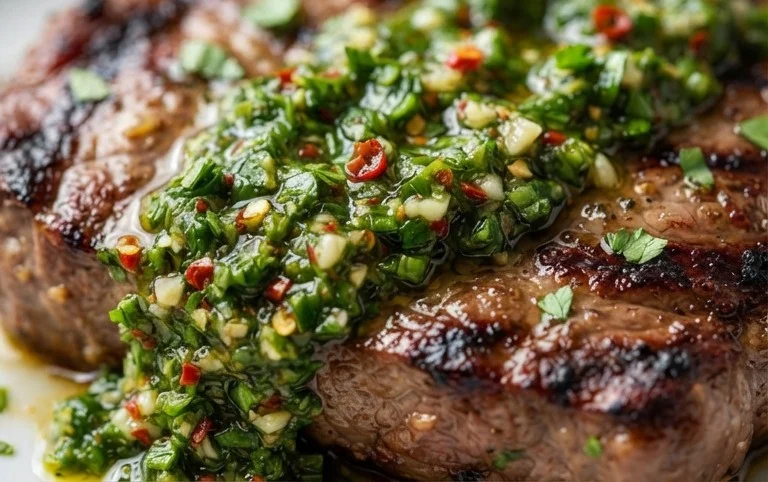
Enjoy your homemade chimichurri drizzled over steak, chicken, fish, or even as a dip for roasted vegetables. It’s a versatile condiment that adds a burst of freshness and excitement to any meal. Happy cooking!
Conclusion:
So there you have it – your ultimate guide to crafting a vibrant and delicious Chimichurri Sauce Recipe! This recipe is fantastic because it’s incredibly fresh, bursting with herbaceous flavor, and so versatile. It’s the perfect way to elevate grilled meats, roasted vegetables, or even as a zesty dip. I truly encourage you to give this chimichurri a try; it’s a simple yet impactful addition to your culinary repertoire that will impress your friends and family. Don’t be afraid to experiment with serving it alongside steak, chicken, fish, or even as a topping for baked potatoes or avocado toast. The bright, tangy, and slightly spicy notes are simply irresistible!
Frequently Asked Questions:
Q1: How long can I store chimichurri sauce?
You can store your homemade chimichurri sauce in an airtight container in the refrigerator for up to a week. The flavors actually tend to meld and deepen over time, making it even more delicious on the second or third day. It’s best to store it with a thin layer of olive oil on top to help prevent oxidation and maintain its vibrant green color.
Q2: Can I make chimichurri ahead of time?
Absolutely! In fact, making it a few hours or even a day in advance is highly recommended. This allows the parsley, cilantro, garlic, and vinegar to really infuse into the olive oil, creating a more complex and well-rounded flavor profile. Just be sure to give it a good stir before serving.
Q3: Are there any variations on this chimichurri sauce recipe?
Oh, definitely! While this classic version is amazing, you can easily customize it. Some popular variations include adding a pinch of red pepper flakes for extra heat, a touch of oregano for a slightly earthier flavor, or even swapping out some of the parsley for mint for a refreshing twist. You can also adjust the amount of garlic and vinegar to your personal preference!
Chimichurri Sauce Recipe
A vibrant and herbaceous Argentinian sauce, perfect for grilling and marinating.
Ingredients
-
1 cup fresh Italian flat-leaf parsley, leaves only, stems removed
-
1/4 cup fresh cilantro, leaves only, stems removed
-
1/4 cup fresh oregano, leaves only, stems removed
-
1/3 cup roughly chopped red onion
-
3 cloves garlic, peeled
-
1/2 teaspoon red pepper flakes
-
1/2 cup extra-virgin olive oil
-
1/4 cup red grape juice vinegar
-
3 tablespoons fresh lemon juice
-
1 teaspoon kosher salt
Instructions
-
Step 1
Combine parsley, cilantro, oregano, red onion, garlic, and red pepper flakes in a food processor. -
Step 2
Pulse until the ingredients are finely chopped but not puréed. -
Step 3
Transfer the chopped herb mixture to a bowl. -
Step 4
Add the extra-virgin olive oil, red grape juice vinegar, fresh lemon juice, and kosher salt. -
Step 5
Stir well to combine all ingredients. -
Step 6
For best flavor, let the chimichurri sauce rest for at least 10-15 minutes before serving to allow the flavors to meld.
Important Information
Nutrition Facts (Per Serving)
It is important to consider this information as approximate and not to use it as definitive health advice.
Allergy Information
Please check ingredients for potential allergens and consult a health professional if in doubt.