Perfect Ramen Eggs-Ajitama Recipe
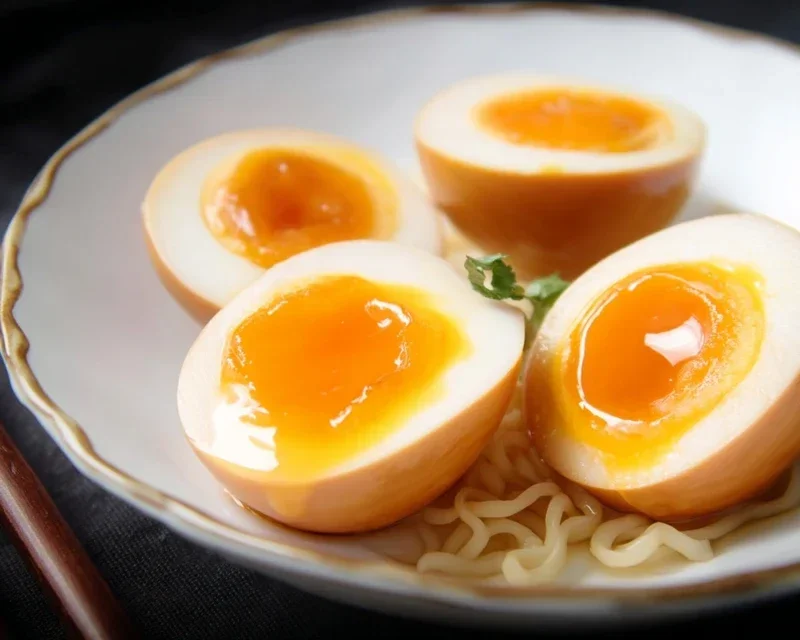
Ramen eggs, or ajitama, are more than just a topping; they’re the soul of a perfect bowl of ramen. I’m absolutely obsessed with them, and I bet you are too. There’s something incredibly satisfying about that perfectly jammy yolk nestled within a tender, marinated egg white. It’s this delightful textural contrast and the explosion of savory umami that truly elevates a simple noodle soup into an unforgettable culinary experience. What makes these ramen eggs so special is the patient marination process. It transforms a humble boiled egg into a flavor bomb, infusing it with the rich essence of soy sauce, non-alcoholic mirin, and non-alcoholic sake. Each bite is a tiny treasure, a testament to how a little bit of effort can yield such extraordinary results. Get ready to master this essential ramen component and impress yourself and everyone you cook for!
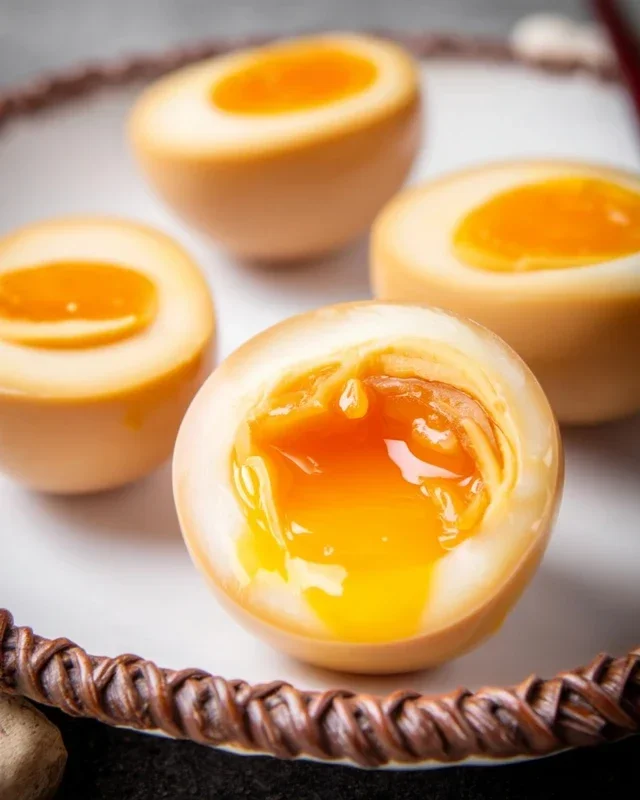
Ramen eggs, also known as Ajitama, are a true game-changer for any bowl of ramen. These perfectly cooked, marinated soft-boiled eggs boast a jammy, custardy yolk and a savory, umami-rich flavor that elevates your noodles from good to absolutely spectacular. They require a little bit of foresight, as they need to marinate for at least a few hours, but the payoff is so worth it. Forget those bland, hard-boiled eggs from your childhood; Ajitama are a culinary experience all their own.
The magic of ramen eggs lies in their dual preparation: first, the precise boiling to achieve that coveted soft-boiled texture, and second, the flavorful marinade that infuses the egg with incredible depth. The marinade is surprisingly simple, relying on pantry staples to create a delicious balance of salty, sweet, and savory. This recipe is designed to be straightforward, allowing you to create these delicious additions with confidence.
Ingredients:
*Note on eggs: For the best results and easiest peeling, I highly recommend using eggs that are at least a few days old, rather than super fresh ones. Fresher eggs tend to stick to the shell more stubbornly.
Preparing the Eggs: The Art of the Soft-Boil
The key to a perfect Ajitama is achieving a perfectly soft-boiled egg. We’re aiming for a yolk that is wonderfully jammy and gooey, not completely liquid and not fully set. This requires careful timing.
1. Boiling the Water: Begin extract by bringin extractg a medium saucepan of water to a rolling boil over high heat. You want enough water to fully submerge the eggs. To help prevent the eggs from cracking during boiling, you can add a splash of vinegar to the water. This might sound a bit unusual, but the acidity of the vinegar helps to coagulate the egg whites more quickly if a crack does occur, minimizing leakage. Alternatively, you can gently place the eggs into the boiling water using a slotted spoon.
2. Cooking the Eggs: Once the water is at a vigorous boil, carefully lower the 6 eggs into the water. If you opted not to add vinegar, use a slotted spoon to gently place them in the boiling water to avoid splashing and potential cracking. Set a timer for exactly 6 minutes and 30 seconds. This precise timing is crucial for achieving that perfect jammy yolk. If you prefer a slightly firmer yolk, you can increase the cooking time by 30 seconds to a minute, but be careful not to overcook them into hard-boiled territory.
3. The Ice Bath: Immediately after the timer goes off, prepare an ice bath. This involves filling a bowl with ice and cold water. Using your slotted spoon, carefully transfer the boiled eggs from the hot water directly into the ice bath. This shock of cold stops the cooking process instantly, preventing the yolks from continuing to cook and ensuring that beautiful, gooey center. Let the eggs chill in the ice bath for at least 10-15 minutes. This chilling period also makes them much easier to peel.
Crafting the Marinade: The Flavor Infusion
While the eggs are chilling, it’s time to prepare the marinade. This simple mixture is where all the incredible flavor comes from.
4. Mixing the Marinade: In a small saucepan, combine the ½ cup of light sodium soy sauce, ¼ cup of water, ¼ cup of non-non-non-alcoholic alternativeic non-alcoholic mirin, and 2 tablespoons of granulated sugar. Stir these ingredients together well. Place the saucepan over medium heat and bring the mixture to a gentle simmer, stirring occasionally until the sugar has completely dissolved. You don’t need to boil it for a long time; just ensure everything is well combined and the sugar is gone. Once the sugar is dissolved, remove the saucepan from the heat and let the marinade cool slightly. This cooling step is important so that the hot marinade doesn’t cook the eggs further when they are added.
Marinating the Eggs: The Patience Game
This is where the magic truly happens, as the eggs absorb all the delicious flavors from the marinade.
5. Soaking the Eggs: Once the eggs have chilled in the ice bath and are cool enough to handle, it’s time to peel them. The ice bath should have made this much easier. Gently crack the shell all around the egg and then peel them under cool running water. This helps to remove any small shell fragments. Place the peeled eggs into a resealable bag or a shallow container. Pour the cooled marinade over the eggs, ensuring that they are fully submerged. If using a bag, gently squeeze out any excess air before sealing it. If using a container, you might need to add a little extra water or soy sauce to ensure the eggs are covered.
The final step is patience. Refrigerate the marinating eggs for at least 4 hours, but for the absolute best flavor, I recommend marinating them overnight or even for up to 2 days. The longer they marinate, the deeper and more intense the flavor will become. The whites will take on a beautiful, slightly amber hue.
When you’re ready to serve, simply slice the ramen eggs in half lengthwise. You’ll be greeted with that glorious, custardy yolk, ready to adorn your ramen bowls. Enjoy the fruits of your slightly patient labor!
Conclusion:
There you have it! Crafting perfect Ramen Eggs, or Ajitama, is a surprisingly simple yet incredibly rewarding endeavor that elevates any bowl of ramen to gourmet status. The magic lies in their custardy, jammy yolks and savory, umami-rich marinade. This recipe is fantastic because it’s accessible for home cooks of all skill levels, delivering restaurant-quality results with minimal effort. Imagin extracte the delight of slurping down your favorite noodles, only to discover these little flavor bombs waiting to burst in your mouth!
These versatile eggs aren’t just for ramen; they’re a spectacular addition to salads, rice bowls, sandwiches, or even enjoyed on their own as a protein-packed snack. Don’t be afraid to experiment with the marinade! A splash of non-alcoholic mirin for sweetness, a touch of non-alcoholic sake for depth, or even a pinch of chili flakes for a subtle kick can transform your Ramen Eggs into something uniquely yours. I truly encourage you to give this recipe a try. The satisfaction of achieving that perfect, melt-in-your-mouth texture is immense, and the delicious payoff is well worth it.
Frequently Asked Questions:
How long do Ramen Eggs last in the refrigerator?
Properly stored in an airtight container in the refrigerator, your Ramen Eggs should remain delicious for up to 4-5 days. The marinade helps to preserve them, but always check for freshness before consuming.
Can I use a different type of soy sauce?
Absolutely! While a good quality Japanese soy sauce is recommended for its balanced flavor, you can experiment with tamari for a gluten-free option or a lighter soy sauce if you prefer a less intense color and saltiness. Just be mindful of the salt content and adjust the marinade accordingly.
What’s the best way to peel the eggs for ramen eggs?
The key to easy peeling is to use eggs that are a few days old rather than super fresh. Immediately after boiling, plunge the eggs into an ice bath for at least 5-10 minutes. This rapid cooling helps the egg white contract, making it separate from the shell much more easily. You can also gently tap the egg all over and then roll it on the counter to create fine cracks before peeling.
Ramen Eggs (Ajitama)
Perfectly marinated soft-boiled eggs with a jammy yolk and savory, slightly sweet flavor, ideal for ramen.
Ingredients
-
6 large eggs
-
1/2 cup soy sauce (light sodium)
-
1/4 cup water
-
1/4 cup non-alcoholic mirin
-
2 tablespoons granulated sugar
-
1 tablespoon white vinegar (optional, for boiling)
Instructions
-
Step 1
Gently place eggs in a saucepan and cover with cold water. Add vinegar if using. -
Step 2
Bring water to a rolling boil over medium-high heat. Once boiling, cook for exactly 6.5 minutes for a jammy yolk. -
Step 3
Immediately transfer eggs to an ice bath and let them chill for at least 10 minutes to stop the cooking. -
Step 4
While eggs chill, whisk together soy sauce, water, non-alcoholic mirin, and granulated sugar in a shallow container or zip-top bag until sugar is dissolved. -
Step 5
Carefully peel the chilled eggs. -
Step 6
Submerge peeled eggs in the marinade, ensuring they are fully covered. Refrigerate for at least 20 minutes, or up to 2 days for deeper flavor.
Important Information
Nutrition Facts (Per Serving)
It is important to consider this information as approximate and not to use it as definitive health advice.
Allergy Information
Please check ingredients for potential allergens and consult a health professional if in doubt.