Sticky Coconut Cake- Irresistible Tropical Treat
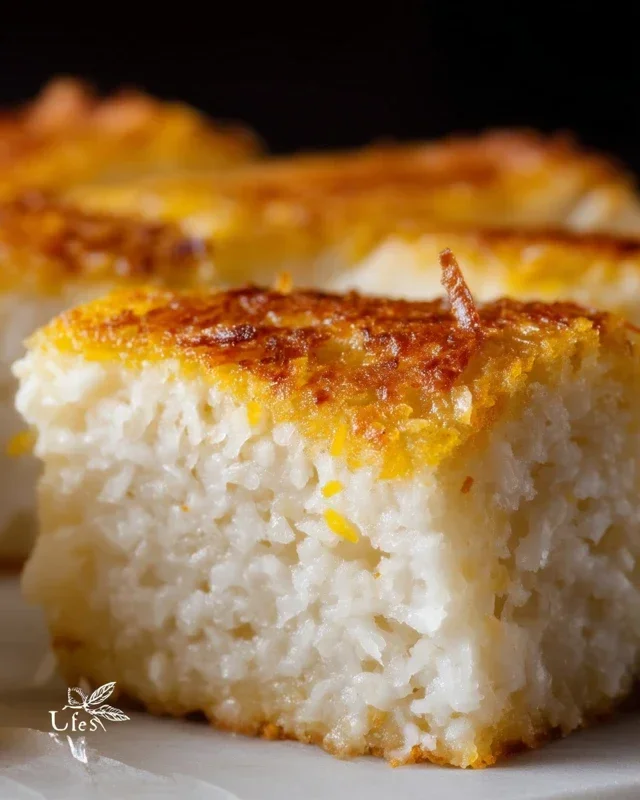
Sticky Coconut Cake is more than just a dessert; it’s a tropical hug in every bite, a sweet escape that transports you straight to sun-drenched beaches. Have you ever craved a cake that’s both incredibly moist and delightfully chewy, bursting with the unmistakable aroma of toasted coconut? That’s the magic of a truly exceptional Sticky Coconut Cake. It’s a beloved classic for a reason: the subtle sweetness, the rich, buttery crum extractb, and that irresistible caramelised topping that glistens invitingly. What truly sets this particular Sticky Coconut Cake apart is the perfect balance of tender cake and its luscious, slightly gooey glaze, creating a textural symphony that’s simply unforgettable. Get ready to fall in love with this delightful creation!
Sticky Coconut Cake
This Sticky Coconut Cake is a delightful treat that perfectly balances sweetness, richness, and that irresistible chewy texture. It’s a wonderfully comforting bake, reminiscent of tropical flavors and cozy afternoons. The magic lies in the combination of glutinous rice flour and coconut milk, which creates a wonderfully dense and satisfying crum extractb. It’s surprisingly straightforward to make, making it a perfect project for bakers of all levels. The aroma alone as it bakes is enough to transport you to a warmer climate!
Ingredients:
Getting Started: Preparing Your Batter
The foundation of this delicious cake is a well-prepared batter. We’ll start by creaming our butter and sugar, which is a crucial step for a tender cake. In a large mixing bowl, I like to cream together the granulated sugar and the egg yolks. I use the egg yolks here because they add richness and help bind the ingredients beautifully. I usually do this with an electric mixer on medium speed for about 2-3 minutes, until the mixture becomes pnon-alcoholic ale and fluffy. This aeration is key to a lighter final product.
Next, we’ll gently incorporate the liquid ingredients. Gradually add the full-fat canned coconut milk to the sugar and egg yolk mixture. It’s important to do this slowly to prevent the mixture from curdling. I pour it in a thin stream while the mixer is on low speed. Once combined, stir in the fragrant vanilla extract. This extract will weave its way through the cake, adding a warm, comforting note that complements the coconut perfectly.
Now comes the star of the show: the glutinous rice flour. I find that it’s best to add this dry ingredient in stages, mixing just until combined. You don’t want to overmix glutinous rice flour, as it can lead to a tougher texture. So, I’ll add about half of the flour first, mixing on low speed until it’s just incorporated, then add the remaining half and mix until no dry streaks remain. This flour is what gives our cake its wonderfully sticky and chewy characteristic, so handle it with care!
Finally, we’ll fold in the shredded sweetened coconut. I like to reserve about ½ cup of the coconut to sprinkle on top later for extra texture and visual appeal. Gently fold the remaining 2½ cups of shredded coconut into the batter. This ensures that the coconut is evenly distributed throughout, so every bite is packed with that delightful tropical flavor. The batter will be quite thick at this stage, which is exactly what we want.
Whipping the Egg Whites
The egg whites play a crucial role in giving our Sticky Coconut Cake a little lift. In a separate, clean, and dry bowl, whip the egg whites until stiff peaks form. This means that when you lift the whisk, the egg whites stand up straight without drooping. It’s important that the bowl and whisk are free from any grease, as even a tiny bit can prevent the egg whites from whipping properly. I use my electric mixer for this, starting on a low speed and gradually increasing it. Be patient; it might take a few minutes. The resulting foam should be glossy and light.
Once your egg whites are perfectly stiff, it’s time to gently fold them into the main batter. This is where the lightness comes from. I like to add about a third of the whipped egg whites to the thick batter first. Fold them in carefully, using a spatula, with an under-and-over motion. This lightens the batter and makes it easier to incorporate the rest of the egg whites. Once that’s mostly combined, gently fold in the remaining egg whites in two more additions, being careful not to deflate the airy texture we’ve created. The goal is to incorporate them without losing too much of the volume.
Baking and Achieving That Perfect Finish
Preheat your oven to 350°F (175°C). Prepare your baking pan by greasing and flouring it, or lining it with parchment paper. I find that an 8×8 inch square pan or a 9-inch round pan works wonderfully for this cake. Pour the prepared batter into the pan, spreading it evenly with your spatula. Don’t worry if it looks a little dense; that’s the nature of this cake.
Now for the final touch before it goes into the oven. Sprinkle the reserved ½ cup of shredded sweetened coconut evenly over the top of the batter. This will toast up beautifully during baking, adding a lovely golden-brown crust and an extra layer of coconut flavor.
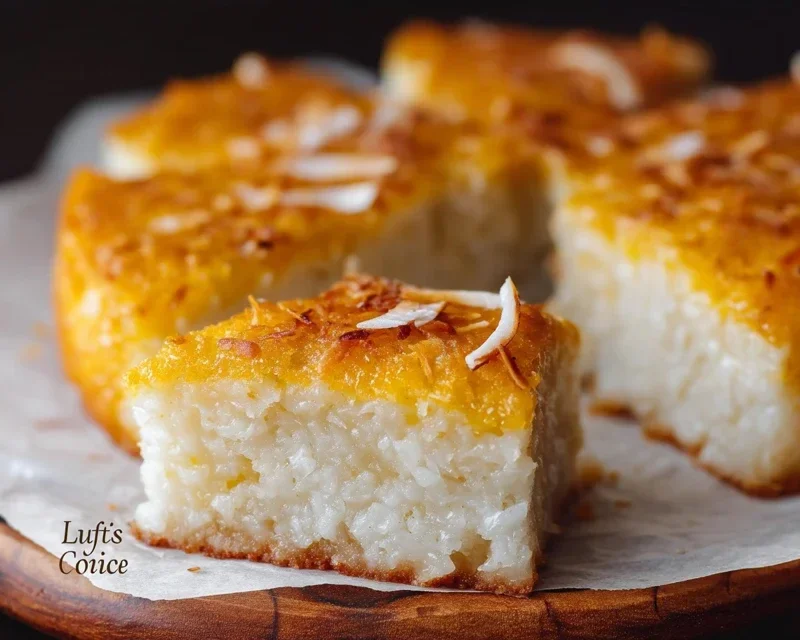
Bake for approximately 45-55 minutes, or until a toothpick inserted into the center comes out clean. The top should be golden brown and the cake should be firm to the touch. The baking time can vary depending on your oven, so it’s always best to keep an eye on it. Once it’s out of the oven, let the cake cool in the pan for about 10-15 minutes before attempting to invert it onto a wire rack to cool completely. This cooling period is important for the cake to set properly.
This Sticky Coconut Cake is best enjoyed at room temperature. It’s delicious on its own, but you can also serve it with a dollop of whipped cream or a drizzle of condensed milk for an extra decadent touch. Enjoy the wonderfully chewy, moist, and intensely coconutty goodness!
Conclusion:
I hope you’re as excited as I am to try this Sticky Coconut Cake! It truly is a showstopper, combining the tropical sweetness of coconut with a wonderfully moist crum extractb and that irresistible sticky glaze. It’s the perfect dessert for any occasion, from casual gatherings with friends to more formal celebrations. The aroma alone as it bakes is enough to transport you to a sunny beach! Don’t be intimidated by the glaze; it’s surprisingly simple and elevates the cake to a whole new level of deliciousness.
For serving, this cake is delightful on its own, but consider pairing it with a dollop of fresh whipped cream or a scoop of vanilla bean ice cream for an extra touch of indulgence. A scattering of toasted coconut flakes also adds a beautiful textural contrast and enhances the coconut flavor. If you’re feeling adventurous, why not try adding some finely chopped mango or pineapple to the batter for a tropical twist? Or perhaps a hint of lime zest to cut through the sweetness.
I genuinely encourage you to give this Sticky Coconut Cake recipe a go. It’s a rewarding bake that’s sure to impress and become a new favorite in your recipe repertoire. Happy baking!
Frequently Asked Questions:
Can I make this cake ahead of time?
Yes, absolutely! This cake actually benefits from being made a day in advance. The flavors meld together beautifully, and the cake remains wonderfully moist. Store it at room temperature, covered tightly with plastic wrap, to maintain its freshness.
What kind of coconut should I use?
For the best texture and flavor, I recommend using unsweetened shredded coconut in the cake batter and for toasting. For the glaze, full-fat coconut milk will give you the richest, creamiest result. Avoid using coconut extract if possible, as fresh coconut provides a more authentic and satisfying taste.
How do I prevent the glaze from being too thin or too thick?
The key to a perfect glaze is careful simmering. If it seems too thin, continue to simmer it gently for a few more minutes, stirring constantly, until it reaches your desired consistency. If it becomes too thick, you can stir in a tablespoon or two of warm coconut milk until it loosens up. Always allow the glaze to cool slightly before pouring it over the warm cake.
Sticky Coconut Cake
A sweet and moist sticky coconut cake made with glutinous rice flour for a chewy texture.
Ingredients
-
2 eggs, separated
-
1¼ cup granulated sugar
-
2¼ cup full fat canned coconut milk
-
3 cups shredded sweetened coconut
-
1½ cup glutinous rice flour
-
1 teaspoon vanilla extract
Instructions
-
Step 1
In a large bowl, whisk together the egg yolks, granulated sugar, and vanilla extract until well combined. -
Step 2
Gradually whisk in the full-fat canned coconut milk until smooth. -
Step 3
Add the shredded sweetened coconut and glutinous rice flour to the wet ingredients. Stir until just combined and no dry streaks remain. Do not overmix. -
Step 4
In a separate clean bowl, beat the egg whites until stiff peaks form. -
Step 5
Gently fold the beaten egg whites into the coconut mixture in two additions, until evenly incorporated. -
Step 6
Pour the batter into a greased and floured baking pan (e.g., 8×8 inch square pan). -
Step 7
Bake in a preheated oven at 350°F (175°C) for 45-55 minutes, or until a toothpick inserted into the center comes out clean.
Important Information
Nutrition Facts (Per Serving)
It is important to consider this information as approximate and not to use it as definitive health advice.
Allergy Information
Please check ingredients for potential allergens and consult a health professional if in doubt.